Loading...
Navigation
Close

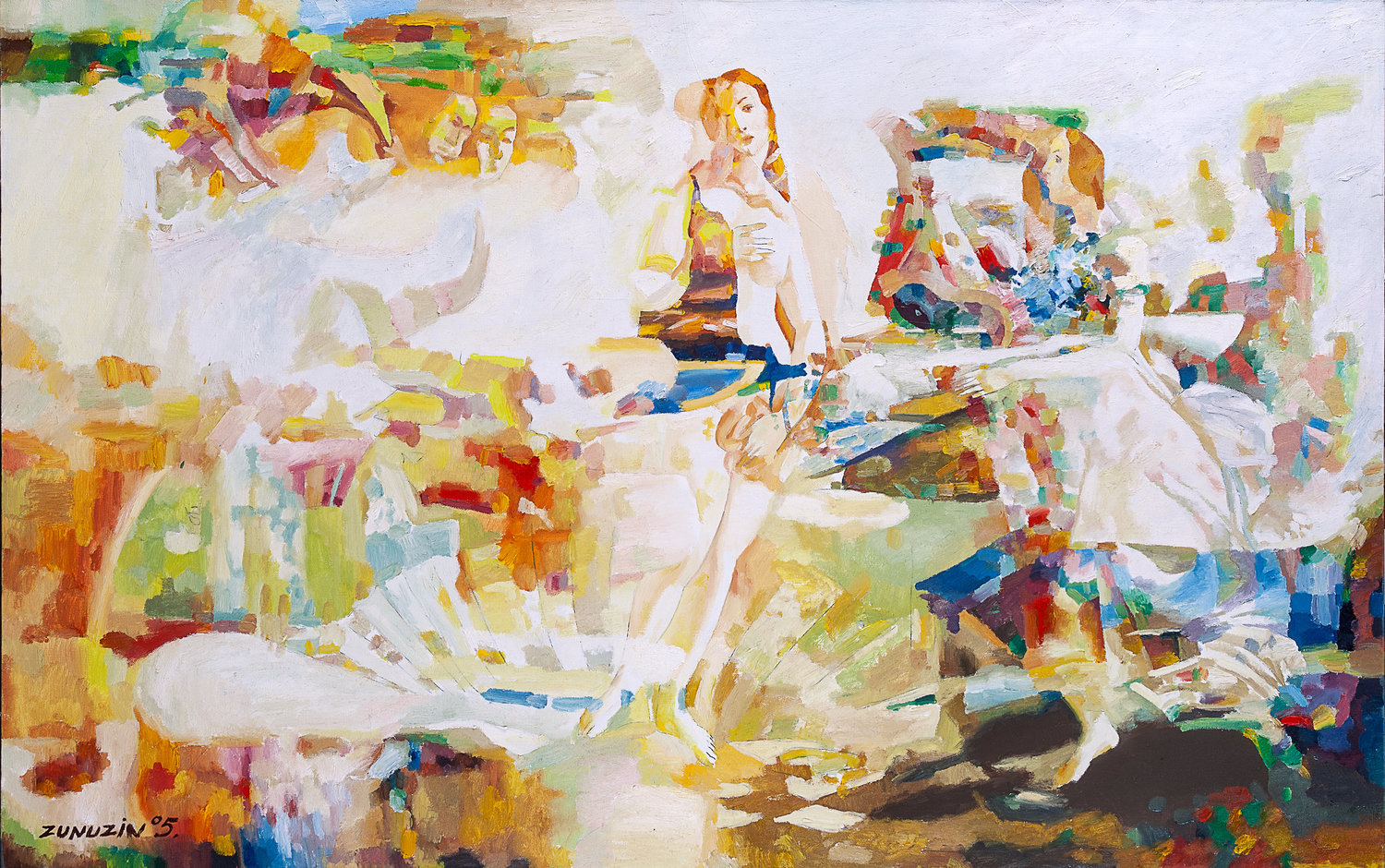
The Birth of Venus (Sandro Botticelli Improvisation) by Zunuzin

The Birth of Venus (Botticelli Improvisation)
  • The Birth of Venus (Botticelli Improvisation)
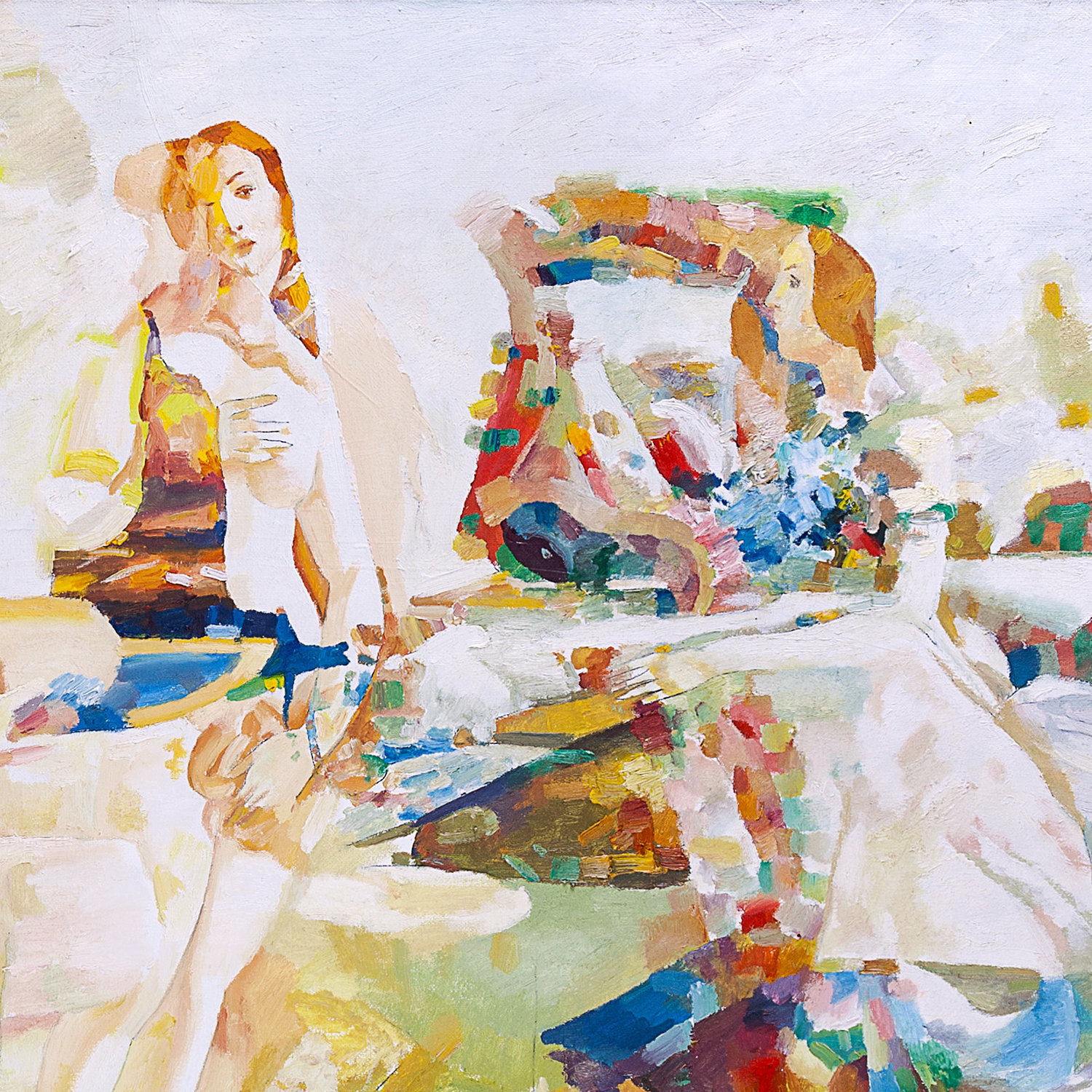
  • Fragment - The Birth of Venus (Botticelli Improvisation)

  • 58x92 cm, archival pigment print on canvas, signed by author, limited edition of 100 

$499.00


Artwork description
The original artwork is oil painting on canvas, size 98x156 cm, and is available for sale. If you have to buy original oil artwork please e-mail to Artist.

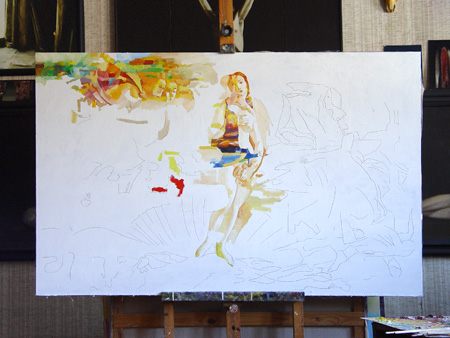
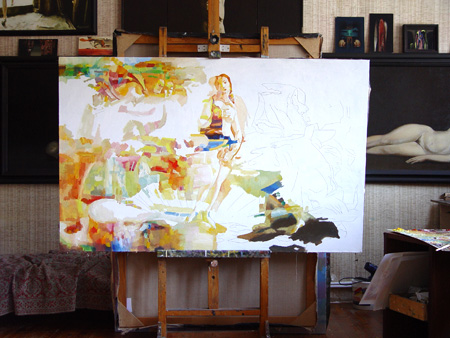
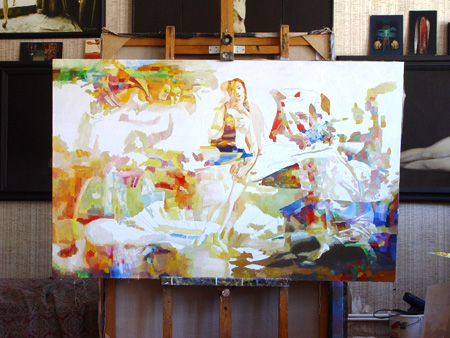
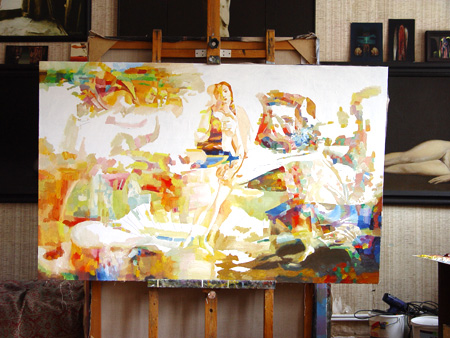
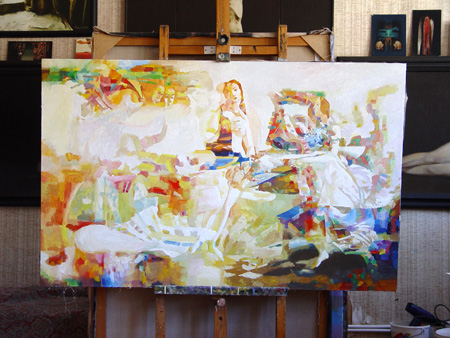
Painting process by Zunuzin

Year created: 2005
Note: © zunuzin.com watermark is only used online and does not appear on your print or file.

Print information "The Birth of Venus (Sandro Botticelli Improvisation)" (oil painting on canvas)

Tags "The Birth of Venus (Sandro Botticelli Improvisation)" (oil painting on canvas)

Additional information "The Birth of Venus (Sandro Botticelli Improvisation)" (oil painting on canvas)

Sandro Botticelli - The Birth of Venus

Sandro Botticelli
"Birth of Venus", 1485
Uffizi, Florence

The Birth of Venus (in Italian: Nascita di Venere) is a painting by Sandro Botticelli. It depicts the goddess Venus, having emerged from the sea as a full grown woman, arriving at the sea-shore (which is related to the Venus Anadyomene motif). The painting is held in the Uffizi Gallery in Florence.

In the past many scholars thought that this large picture may have been, like the Primavera, painted for Lorenzo di Pierfrancesco de' Medici's Villa di Castello, around 1482, or even before. This was because Vasari, in his 1550 edition of the Lives of the Artists wrote: "... today, still at Castello, in the villa of the Duke Cosimo, there are two paintings, one the birth of Venus and those breezes and winds that bring her to land with the loves, and likewise another Venus, whom the Graces adorn with flowers, denoting the Springtime." But the Birth of Venus, unlike the Primavera, is not found in Medici inventories of the late-fifteenth and early-sixteenth centuries, which has led some recent scholars to rethink the patronage, and hence the meaning, of the painting. In the last 30 years most art historians have dated the painting, based on its stylistic qualities, to c. 1485–87.

The classical Goddess Venus emerges from the water on a shell, blown towards shore by the Zephyrs, symbols of spiritual passions, and with one of the Ores, goddesses of the seasons, who hands her a flowered cloak. According to some commentators, the naked goddess isn't then a symbol of earthly but of spiritual love, like an ancient marble statue (which might have inspired the 18th century sculptor, Antonio Canova, by its candor), slim and long-limbed, with harmonious features. Via

Ask a question about artwork "The Birth of Venus (Sandro Botticelli Improvisation)" (oil painting on canvas)

Please type the characters you see in the picture below.