Loading...
Click to navigation
Close

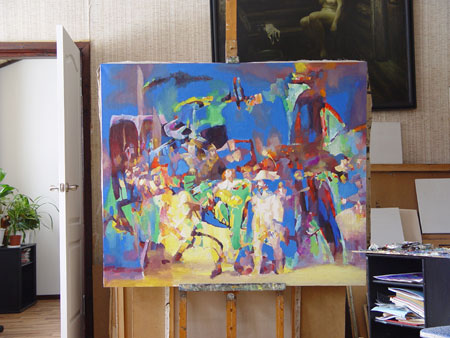
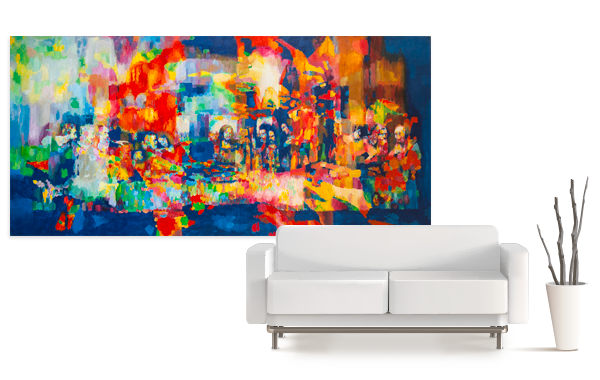
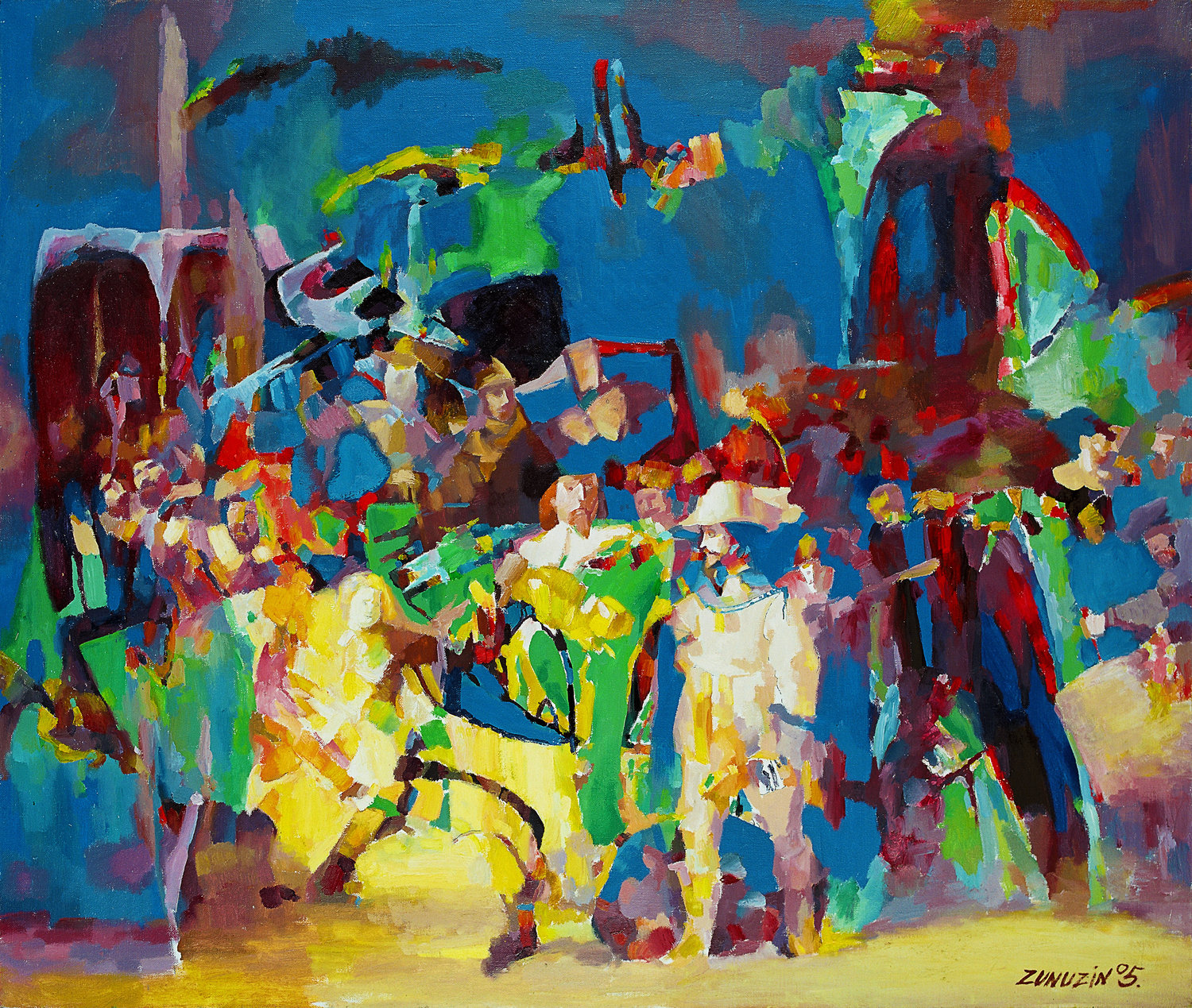
The Night Watch (Rembrandt van Rijn Improvisation) by Zunuzin

- The Night Watch (Rembrandt van Rijn Improvisation)
  • - The Night Watch (Rembrandt van Rijn Improvisation)
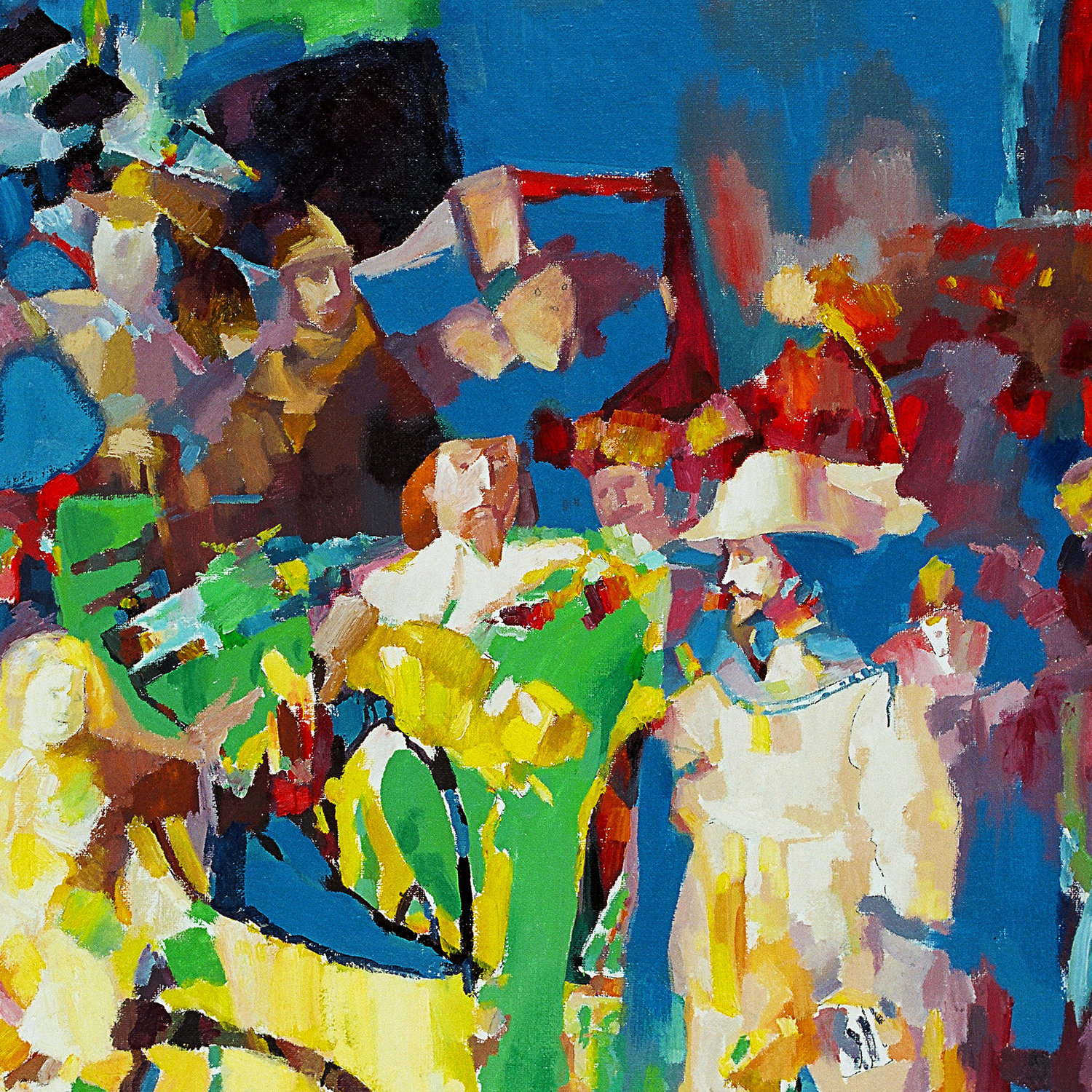
  • Fragment - The Night Watch
Buy in my store
The Night Watch (Rembrandt van Rijn Improvisation)

  • 58x69 cm, archival pigment print on canvas, signed by author, limited edition of 100 

$399.00


Artwork description
The original artwork is oil painting on canvas, size 120x142 cm, and is available for sale. If you have to buy original oil artwork please e-mail to Artist.

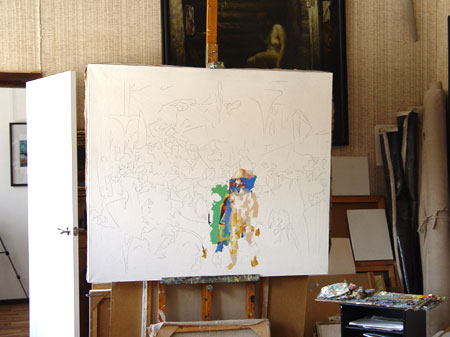
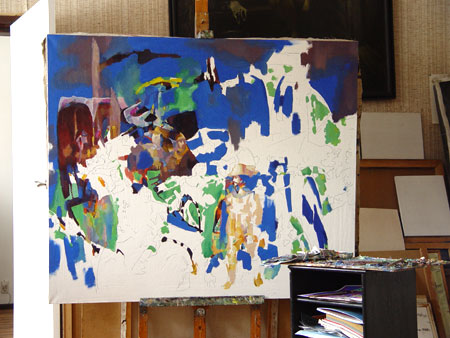
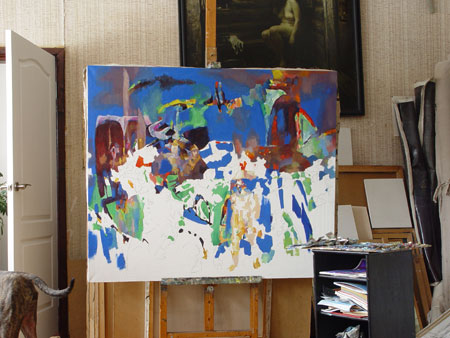
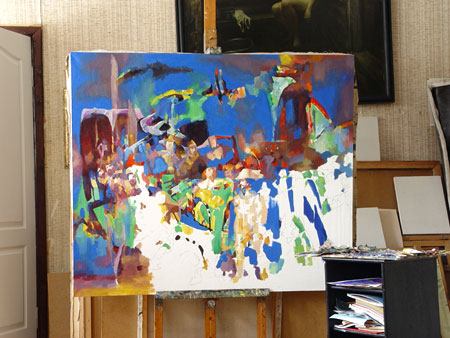
Painting process by Zunuzin

Year created: 2005
Note: © zunuzin.com watermark is only used online and does not appear on your print or file.
Buy poster The Night Watch (Rembrandt van Rijn Improvisation) with VISA, Mastercard, AMEX, 2CO or Paypal. Free worldwide shipping with tracking

Additional print information "The Night Watch (Rembrandt van Rijn Improvisation)" (oil painting)

Artwork printed by EPSON Stylus Pro 7880 (Epson UltraChrome K3 Vivid Magenta) on canvas. Each limited edition artwork that is purchased through this site will be individually signed, dated and stamped by the artist Vladimir Zunuzin. Limited edition prints of 100. Each copy has a unique ID and an original author’s signature.

Tags "The Night Watch (Rembrandt van Rijn Improvisation)" (oil painting)

Additional information "The Night Watch (Rembrandt van Rijn Improvisation)" (oil painting)

Rembrandt van Rijn - The Night Watch

Rembrandt
"Night Watch", 1642
Rijksmuseum, Amsterdam

The painting is renowned for three elements: its colossal size (363x437 cm), the effective use of light and shadow, and the perception of motion in what would have been, traditionally, a static military portrait.

This painting was completed in 1642, at the peak of the Dutch Golden Age. It depicts the eponymous company moving out, led by Captain Frans Banning Cocq (dressed in black, with a red sash) and his lieutenant, Willem van Ruytenburch (dressed in yellow, with a white sash). With effective use of sunlight and shade, Rembrandt leads the eye to the three most important characters among the crowd, the two gentlemen in the centre (from whom the painting gets its original title), and the small girl in the centre left background. Behind them the company's colours are carried by the ensign, Jan Visscher Cornelissen. The militiamen were also called Arquebusiers, after the arquebus, a sixteenth-century long-barrelled gun.

Rembrandt has displayed the traditional emblem of the Arquebusiers in the painting in a natural way: the girl in yellow dress in the background is carrying the main symbols. She is a kind of mascot herself: the claws of a dead chicken on her belt represent the clauweniers (arquebusiers); the pistol behind the chicken stands for 'clover'; and, she is holding the militia's goblet. The man in front of her is wearing a helmet with an oak leaf, a traditional motif of the Arquebusiers. The dead chicken is also meant to represent a defeated adversary. The colour yellow is often associated with victory. Via