Loading...
Click to navigation
Close

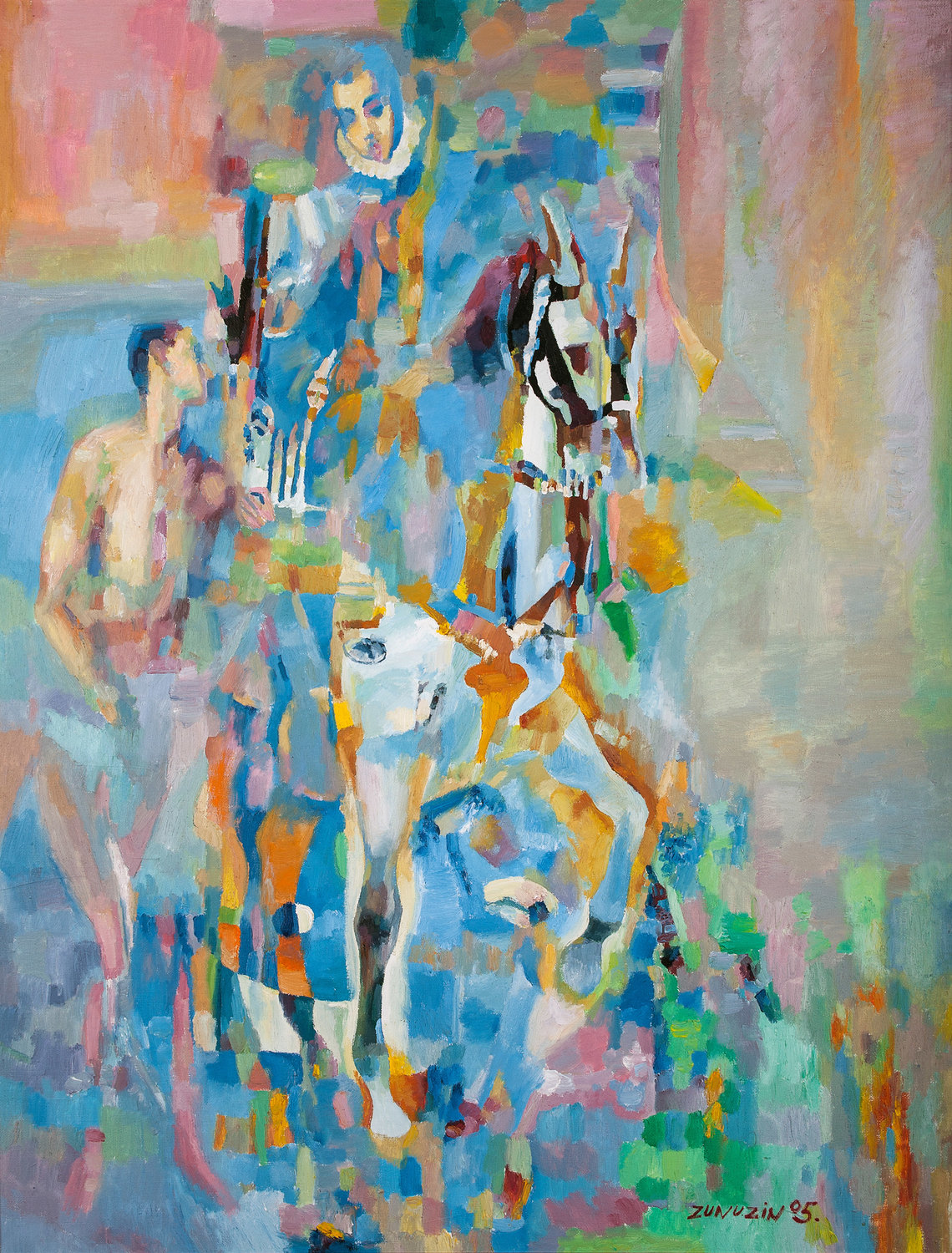
St. Martin and the Beggar (El Greco Improvisation) by Zunuzin

- St. Martin and the Beggar (El Greco Improvisation)
  • - St. Martin and the Beggar (El Greco Improvisation)
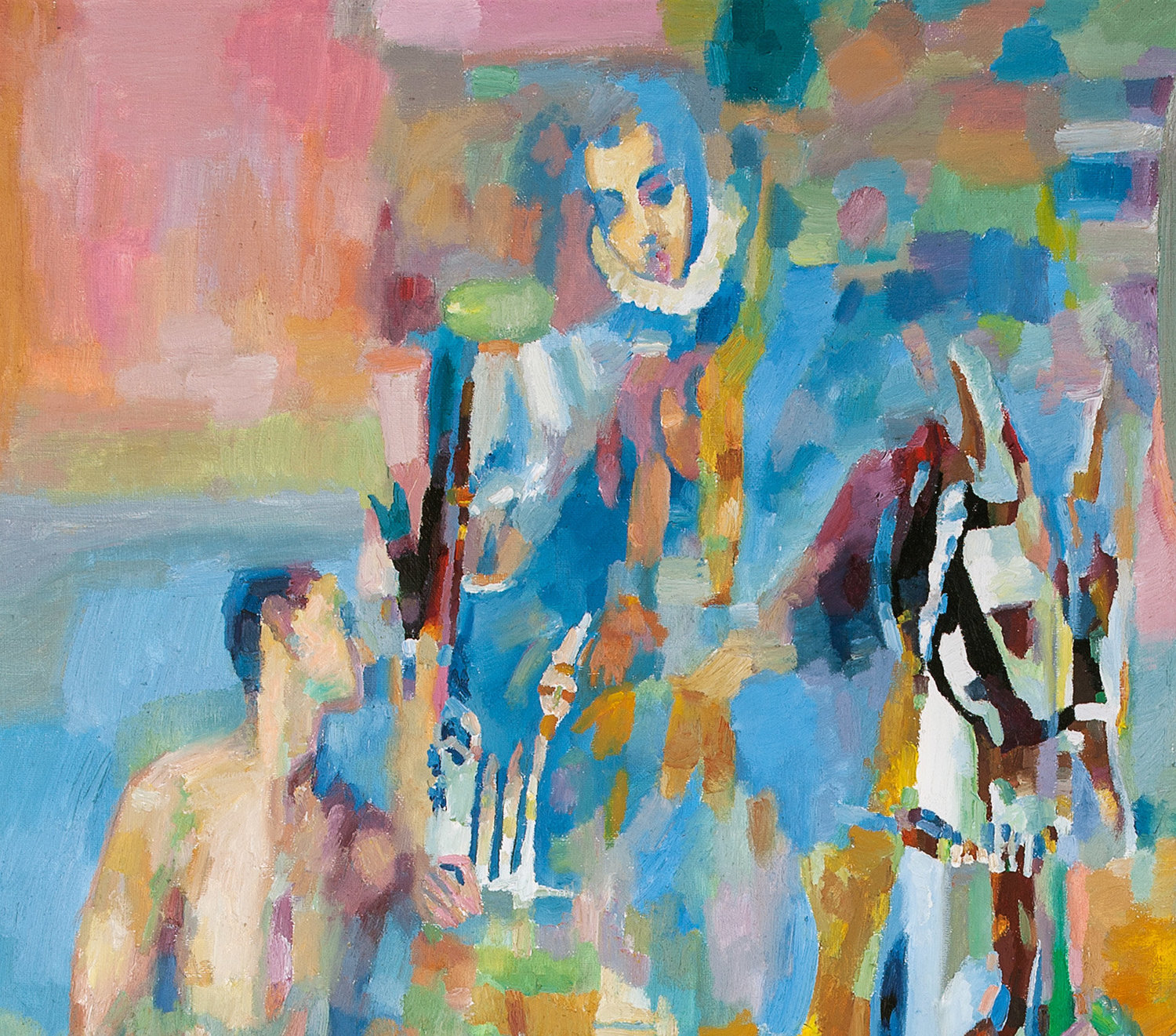
  • Fragment - St. Martin and the Beggar
Buy in my store
St. Martin and the Beggar (El Greco Improvisation)

  • 75x58 cm, archival pigment print on canvas, signed by author, limited edition of 100 

$449.00


Artwork description
The original artwork is oil painting on canvas, size 125x96 cm, and is available for sale. If you have to buy original oil artwork please e-mail to Artist.

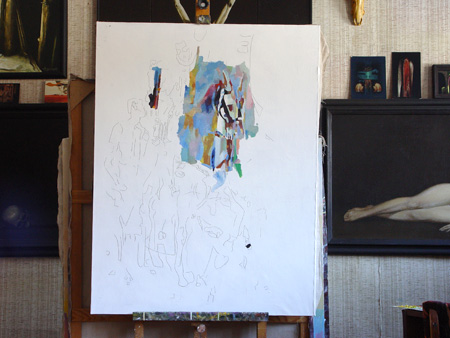
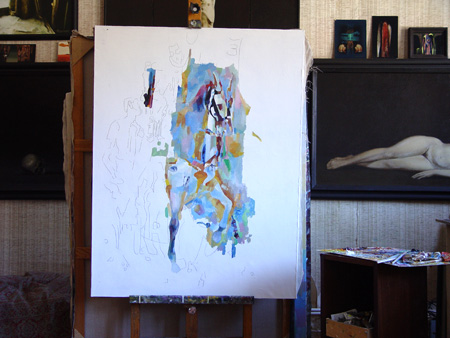
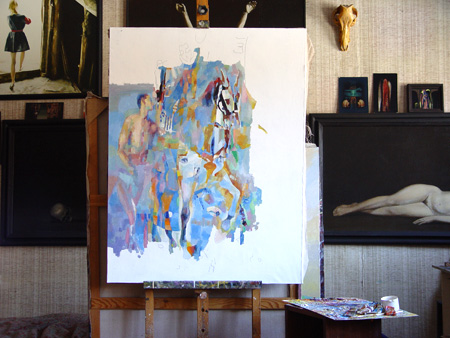
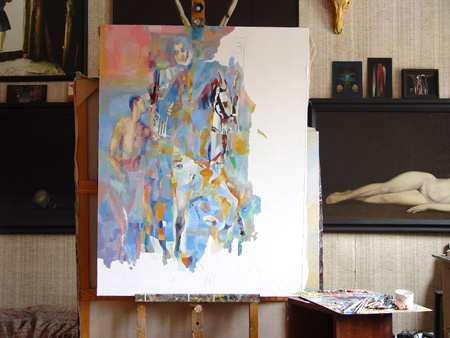
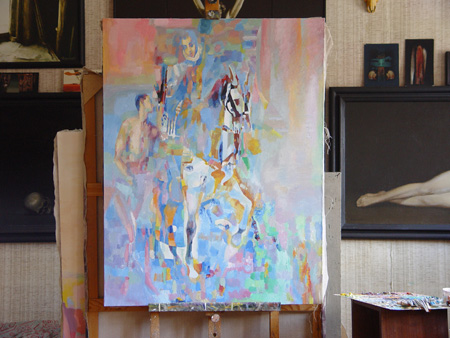
Painting process by Zunuzin

Year created: 2005
Note: © zunuzin.com watermark is only used online and does not appear on your print or file.
Buy poster St. Martin and the Beggar (El Greco Improvisation) with VISA, Mastercard, AMEX, 2CO or Paypal. Free worldwide shipping with tracking

Additional print information "St. Martin and the Beggar (El Greco Improvisation)" (oil painting)

Artwork printed by EPSON Stylus Pro 7880 (Epson UltraChrome K3 Vivid Magenta) on canvas. Each limited edition artwork that is purchased through this site will be individually signed, dated and stamped by the artist Vladimir Zunuzin. Limited edition prints of 100. Each copy has a unique ID and an original author’s signature.

Tags "St. Martin and the Beggar (El Greco Improvisation)" (oil painting)

Additional information "St. Martin and the Beggar (El Greco Improvisation)" (oil painting)

El Greco - St. Martin and the Beggar

El Greco
"St. Martin and the Beggar"
National Gallery of Art, Washington

Commissioned for the Chapel of San José in Toledo by Martín Ramírez, a namesake of the saint and donor of the chapel, Saint Martin and the Beggar was part of one of the artist's most successful ensembles.

The saint, who lived during the reign of Constantine the Great, was a member of the imperial cavalry stationed near Amiens, in Gaul. Coming upon a shivering beggar near the city gates on a cold winter day, the young soldier divided his cloak with his sword and shared it with him. Tradition has it that Christ later appeared to Martin in a dream, saying, "What thou hast done for that poor man, thou hast done for me."

El Greco portrayed the fourth-century saint as a young nobleman, clad in elegant gold-damascened armor, astride a white Arabian horse. Seen from a low vantage point, the figures seem monumental, looming over the landscape with its distant view of Toledo and the river Tagus. The saint's relatively naturalistic proportions contrast with the attenuated form of the nearly nude beggar. The obvious distortion of the beggar's form suggests that he is not of this world and hints at the later revelation of his true identity in Martin's dream. Via